At Central in Lima, the menu is not organised around the familiar hierarchy of starter, fish and meat. Its guiding structure is geography. A meal can move between Peru’s coast, valleys, highlands and Amazonian landscapes, revealing the astonishing variety of a country that contains multiple worlds within its borders.
At a glance: A Lima tasting menu that explores Peru through its ecosystems and elevations. See Central’s official site for current menus and reservations.
In this guide
The idea emerged through the work of chef Virgilio Martínez and his longtime collaborator Pía León, whose shared vision helped transform Central from a fine-dining restaurant into one of the most distinctive gastronomic projects of the twenty-first century.
From chef to explorer
Martínez opened Central in 2008, bringing experience from kitchens abroad back to Peru. But rather than simply translate international fine-dining conventions into a Lima setting, he gradually developed a much more local and ambitious framework: ingredients would be understood through the ecosystems where they grow.
That shift required leaving the kitchen. Research journeys took the team into coastal regions, the Andes and the Amazon, in dialogue with producers and communities whose knowledge of plants, crops and landscape had developed over generations.
A menu measured by elevation
Central became known for tasting experiences organised by altitude. A course might explore coastal or marine environments, while another turns towards highland tubers, grains, herbs or plants rarely encountered in conventional restaurant menus. The contrasts are as much cultural and ecological as they are culinary.
The connected research organisation Mater Iniciativa, directed by Malena Martínez, documents ingredients, techniques and relationships with communities. It helped give structure to the restaurant’s curiosity, turning the act of sourcing into a sustained research practice.
The people behind the vision
Pía León played a crucial role in Central’s evolution, including leading its kitchen during key years. Her own restaurant, Kjolle, later became another major expression of Peruvian biodiversity, while the wider group expanded its work through projects such as Mil in the Sacred Valley.
In 2023, Central was named No. 1 in The World’s 50 Best Restaurants ranking, becoming the first South American restaurant to receive the title. By 2025, the more important question was not whether the team could repeat an award, but how far its ideas could travel.
Central has helped change the meaning of a tasting menu. Instead of presenting rare ingredients as isolated luxuries, it uses them to draw attention to the landscapes and human knowledge that made them possible.
The achievement is as much editorial as culinary: every course tells the diner that an ingredient has an origin, a history and a place in the world.
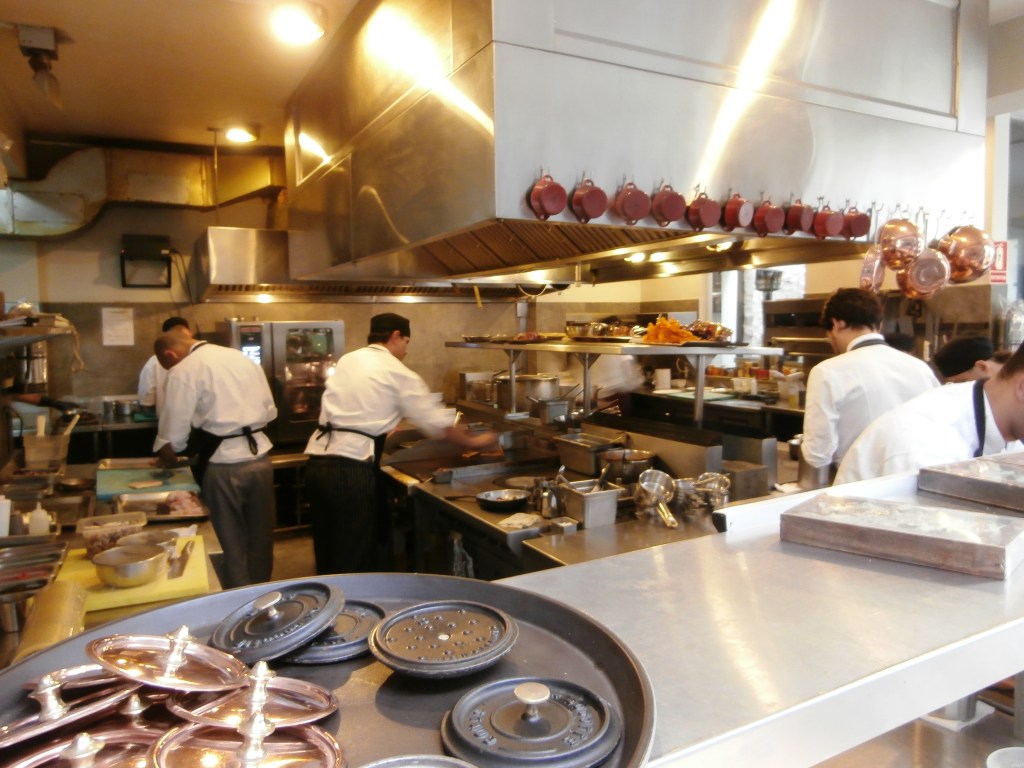
Archive photograph: Central Restaurante kitchen, Lima, photographed in 2013. Winedirector / Wikimedia Commons, CC BY-SA 3.0. The restaurant and its spaces have evolved since this archival image.
More on food and landscape: Read how Narisawa in Tokyo draws on Japan’s satoyama landscape.
Sources: The World’s 50 Best Restaurants — Central; Central Restaurante; Mater Iniciativa.