The beaches around Uluwatu are not interchangeable. One is a surf break with a wide horizon; another is a pocket of sand below limestone steps; another is reached by a dramatic road cut through the cliffs. Choosing the right beach is less about a ranking and more about the tide, swell and kind of day you want.
In this guide
Padang Padang Beach
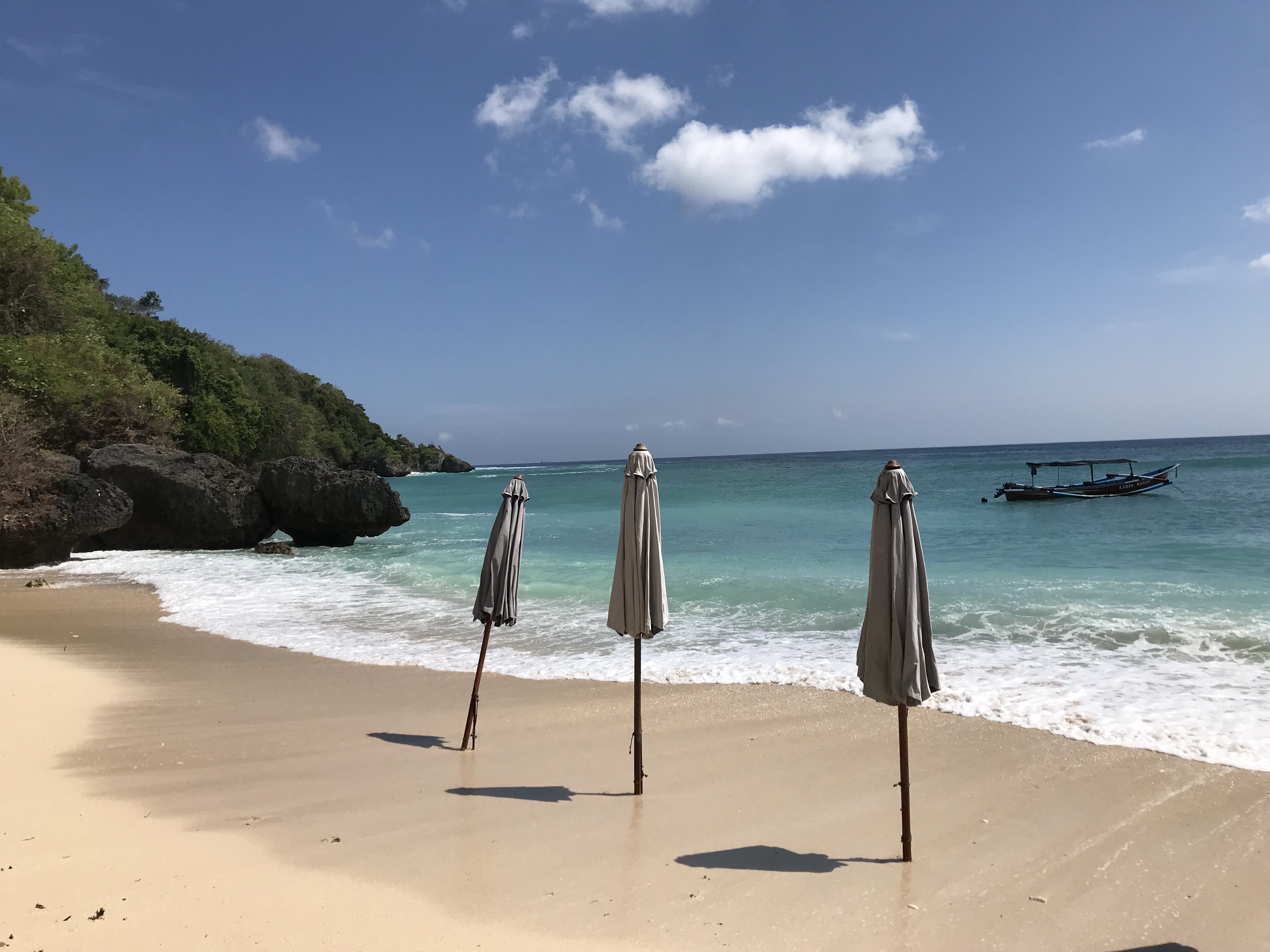
Padang Padang is one of the Bukit’s best-known beaches, reached through a narrow passage in the rock and down steps. Its compact setting is part of the appeal, but it can feel crowded. Surf conditions outside the sheltered areas can be powerful; never assume that a calm-looking photograph reflects the day’s conditions.
Balangan Beach
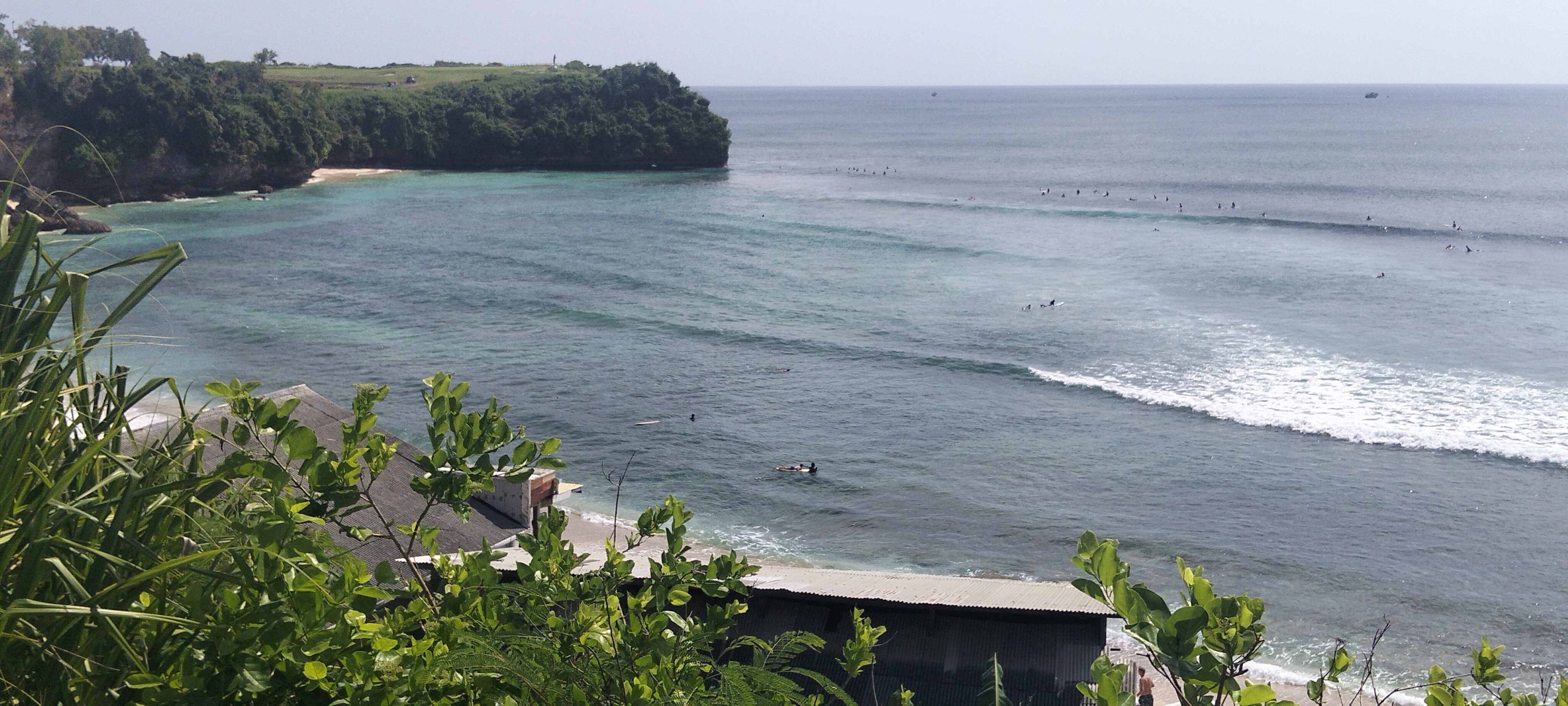
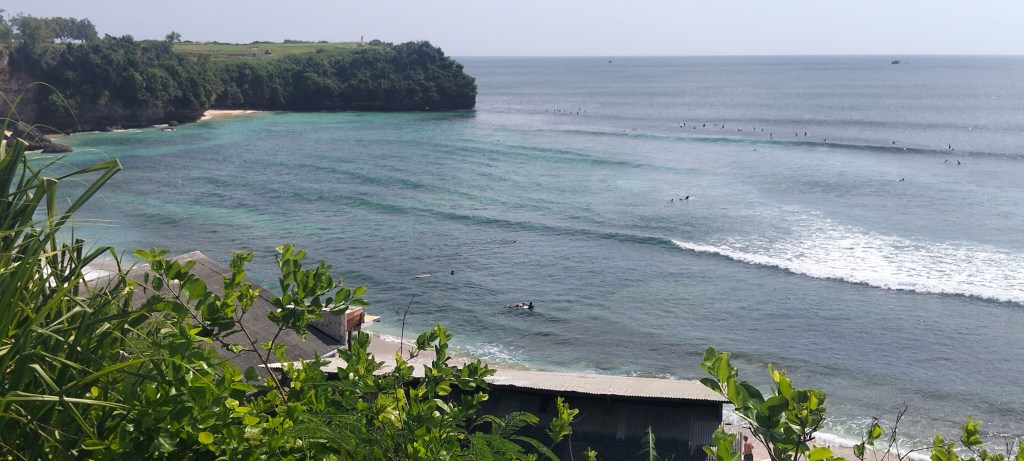
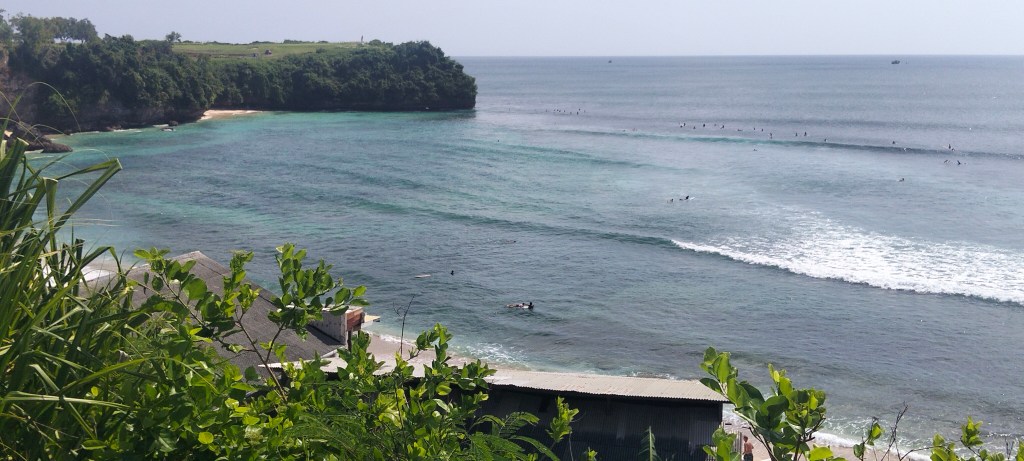
Balangan’s broad sweep of sand and reef-backed surf make it a memorable place to spend time on the coast. It is especially appealing for watching surfers and taking in the coastline. Reef, currents and changing tides mean swimming deserves caution.
Melasti Beach
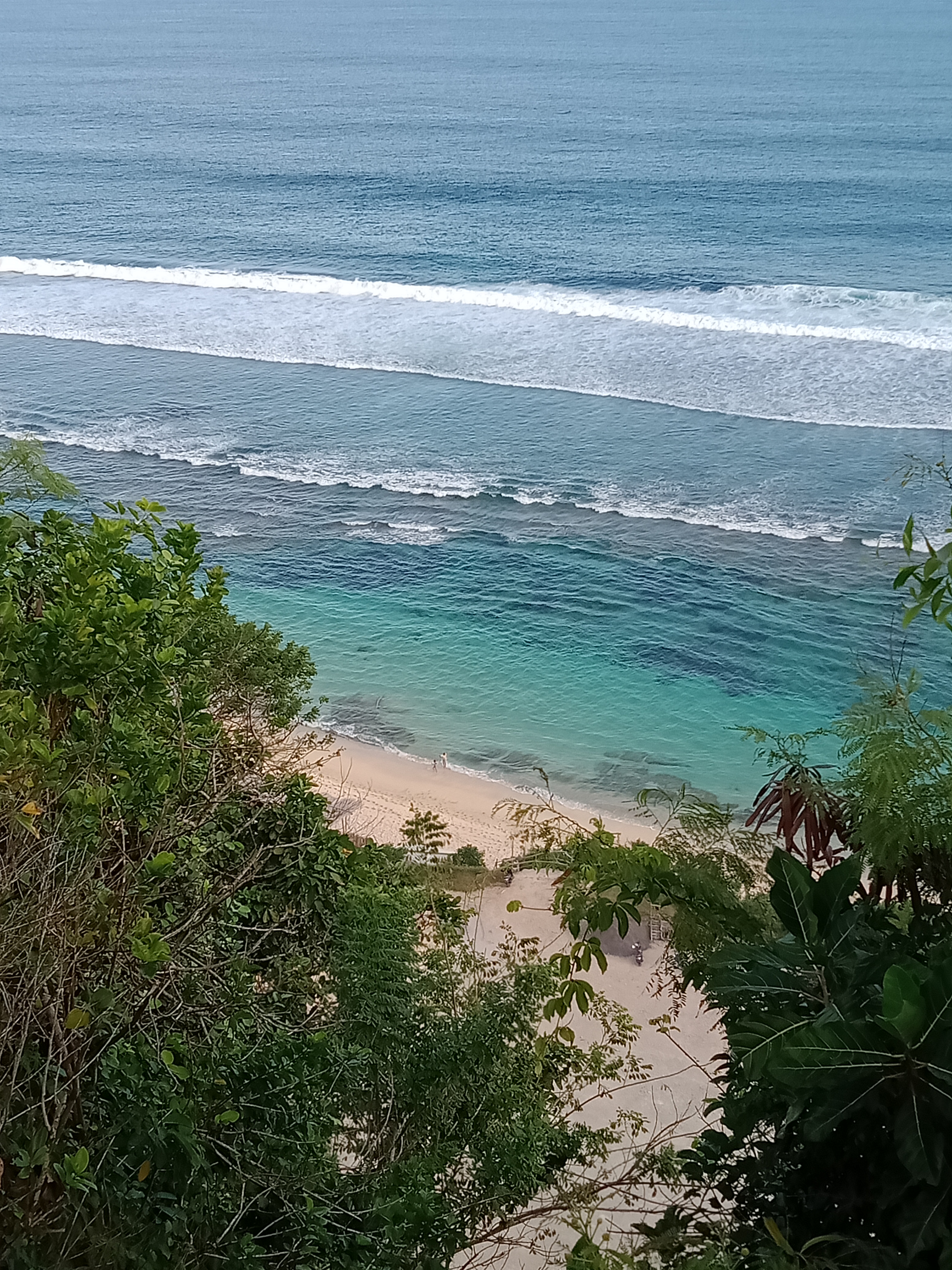
The approach to Melasti is almost as memorable as the beach itself: the road descends between tall limestone walls toward the water. It is a scenic stop for a southern Bukit itinerary. Check local conditions and any access fees on the day of your visit.
Bingin Beach

Bingin is known for its surf and cliffside setting. Access involves stairs, so pack lightly and consider the climb back up. It is not a beach to select for easy, guaranteed swimming; assess conditions on arrival.
Swimming and surf safety
Reef breaks, rip currents, shorebreak and tide changes can make beaches hazardous, including for confident swimmers. Follow local warnings and lifeguard advice where available. If unsure, stay out of the water. Surfers should select breaks suited to their experience and check local forecasts.
After the beach, explore where to eat in Uluwatu. For a broader itinerary, return to the Bali travel guide.
Frequently asked questions
Which Uluwatu beach is best for swimming?
There is no beach that is safe in all conditions. Ask locally about the day’s swell, currents and tide, and choose a supervised area when possible.
Can you visit several beaches in one day?
Yes, but access stairs, traffic and tide windows can take more time than expected. Two nearby beaches usually make a more relaxed itinerary than a long checklist.
Beach access and water conditions change. Confirm current information locally.
Still deciding where to spend your beach day? Our friends at Uluwatu Eats have put together their own guide to the best beaches in Uluwatu, with more spots to explore, from cliffside surf breaks to sandy coves.